Balcony or Floor Concert Seating: Choose the View That Fits Your Evening
Balcony or floor concert seating changes your view and connection to the crowd. Compare sightlines, stage layouts, and participation before choosing a seat.
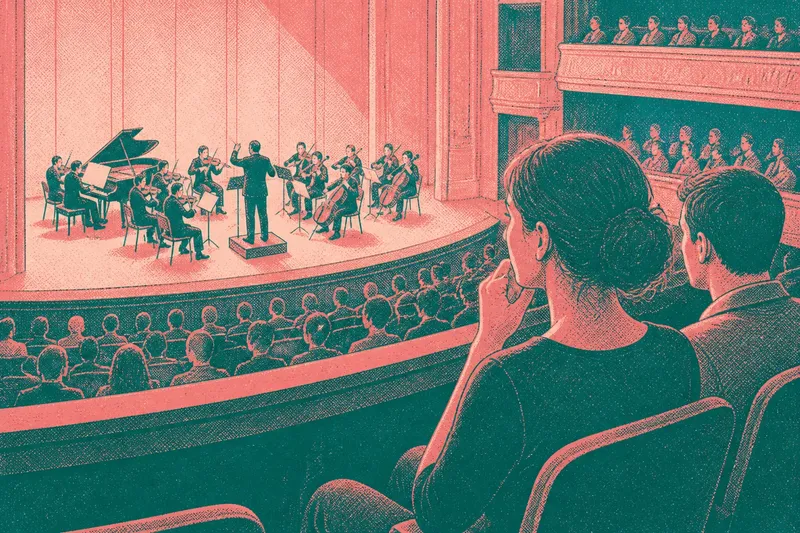
Balcony or floor concert seating can change whether you watch a soloist’s hands, take in the full stage, or move with the audience. The section label alone does not tell you what you will see: the room’s shape, stage layout, and ticket type matter just as much.
A floor ticket may put you near the performers but leave your view blocked by people ahead. A balcony seat may offer a clearer stage picture while making faces and small gestures harder to see. Before choosing, decide what you most want to watch and how you want to take part.
Floor sightlines
What can go wrong: You expect an open view but find shoulders, raised phones, or a person directly ahead. In a general-admission area, your position may also shift as the crowd settles.
Why it happens: “Floor” describes a part of the venue, not a fixed eye-level view. The audience may stand, the stage may be low, and an assigned seat can still have a sightline shaped by its row and the stage height.
What to check: Confirm whether the ticket is for assigned seating or standing admission. Look at the venue’s seating map and any event-specific view information. If an unobstructed view matters most, favor a raised section or a seat with a clear line toward the stage rather than choosing on proximity alone.
Say you want to watch a violinist’s hands and the conductor’s cues. You see that the floor is standing admission and that the event page offers no view from a particular spot. You compare the map with an elevated section and decide that seeing gestures clearly matters more than being near the stage; the tradeoff is that the performers will look smaller.
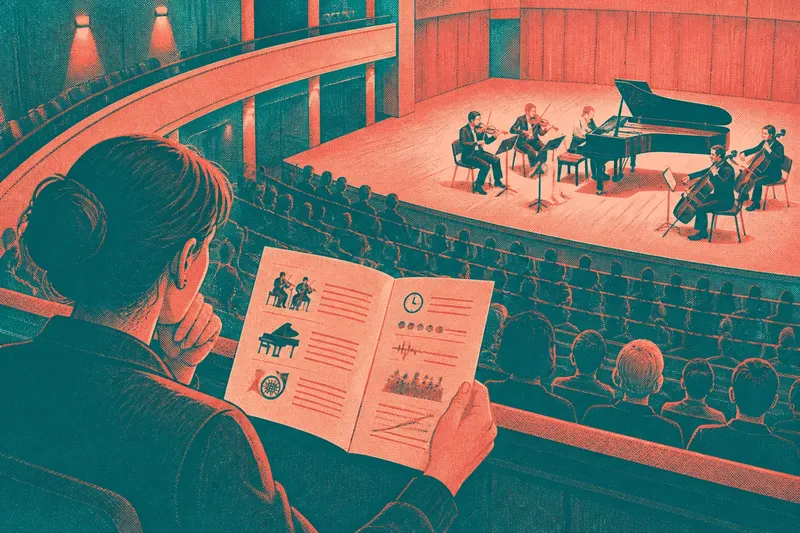
Balcony distance
What can go wrong: The stage looks like a small picture, making facial expressions and instrument details difficult to see. A quiet performance may also feel less immediate from farther back.
Why it happens: Height can help you see across heads and bodies, but it does not make the performers physically closer. A deep balcony, a high rail, or a stage set far forward can further change how accessible the action feels.
What to check: Compare the section map with seat-view images, if available, and notice how much of the stage and performers is visible. If facial expressions matter more than the full stage picture, consider a closer seat with a workable sightline. If you want to see how the whole ensemble fits together, an elevated view may suit you better.
Stage layout
A piano lid, music stands, scenery, amplifiers, and the performers’ positions can create different views across the room. A centered seat is not automatically best if a soloist stands to one side or a set piece hides part of the stage.
Check the venue’s seating information and event materials for a stage layout. For a large ensemble, a centered elevated view may make the arrangement easier to read. For a small group spread across the stage, a closer side view could make individual players more visible, provided the angle does not hide them.
Crowd participation
Standing areas often invite dancing, clapping, and shifting positions; seated sections encourage a steadier view. A balcony rail and rows can create a stronger visual boundary between audience and performers.
Match the section to the way you want to participate. If you like moving with the music and can accept a changing view, the floor may feel more connected. If you prefer to stay seated and observe the stage and audience together, a balcony may provide a calmer vantage point. A quiet recital and a dance-oriented show can produce different crowd conditions in the same room.
- If the ticket says “general admission,” check whether it means standing room; if so, choose it only if you are comfortable with a changing position, otherwise look for assigned seating.
- If the map shows a raised section with a direct stage view, consider it when seeing over the crowd is your priority; if the angle is sharply to one side, compare a more central section instead.
- If seat-view images show the stage clearly but performers appear distant, choose that seat for the full stage picture; if you want to see facial expressions, look for a closer option with a clear view.
- If event materials place a soloist at the edge of the stage, check whether your section faces that side; if not, choose a more direct angle when watching that performer matters.
- If the venue notes a partial or restricted view, decide whether the hidden area affects what you want to see; if it does, choose another section, and if it does not, compare the remaining tradeoffs.
- If your plans depend on accessible seating or a particular access arrangement, contact the venue for current details; if the available information does not answer your question, ask staff before buying.
Choosing between sections
Use the venue’s own seating map and event-specific notes, since familiar labels can describe rooms with very different shapes. One theater’s balcony may be close and steep; another venue’s upper level may sit far from the stage. On the floor, barriers, aisles, and technical positions can affect both view and movement.
Before buying, name your main priority: seeing performers up close, reading the full stage, moving with the crowd, or sitting back to observe. Then compare that priority with the actual section and ticket type. Balcony or floor concert seating is a choice between different kinds of presence, not a contest with one universally better answer.
Which seat fits?
Is a balcony always better for sightlines?
No. Elevation can help you see over the audience, but a far-back or sharply angled seat may still leave performers small or partly obscured. Check the view from the specific section rather than assuming every balcony position offers the same perspective.
Is the floor always closer to performers?
Not necessarily. A large floor may leave some positions farther from the stage than a front balcony seat, so compare the venue layout instead of relying on the word “floor.”
Which section is better for watching musicians?
Choose the view that makes the details you care about visible. A centered elevated seat may show how an ensemble fits together, while a nearer position can make gestures more prominent if the sightline stays clear.
What should I check before buying?
Confirm whether the ticket is standing or assigned, where the section sits in relation to the stage, and whether the venue provides seat-view images. For details that depend on event setup, use the venue’s current information.
One last useful check is to decide where you want your attention to go during a favorite moment. If you want to follow a soloist’s gestures, prioritize an unobstructed view of that performer; if you want to watch the room respond as a whole, choose a position that lets you see both stage and audience.